Hospitality lighting design
Lighting by design for an improved guest experience: hotels, restaurants and bars that look beautiful and feel right at every hour.
Light and the body
Light is not decoration. Light is biology.
Every hour of every day, the light entering our eyes sends chemical, hormonal and electrical signals throughout the body. When we light a hotel, we are shaping how guests feel, rest and wake, as well as how the spaces look.
Lighting that creates atmosphere and supports how guests feel works best when it is planned from the very start of a project.
The guest journey
From first light to lights out
A guest’s day has a rhythm. Lighting can follow it: bright and alert to start, warm and restful to finish.
Morning and daytime. Bright morning light raises alertness and helps set the body’s clock. Make daylight easy to reach: curtains that open easily, breakfast by the windows, and lounges, meeting rooms and spas near open windows.
Evening and night. As the day ends, light should step down: lower, warmer and closer to the floor. Bedrooms should be completely dark, because darkness is when the body rests and recovers.
Hotel spaces
Every space, lit for the time of day
- Bedrooms: bright for getting ready, warm and low in the evening, completely dark at night
- Table lamps and step lights below eye level, with simple control from the bed
- Restaurants: bright, daylit breakfasts and warm, glowing dinners
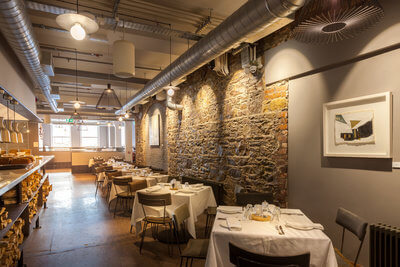
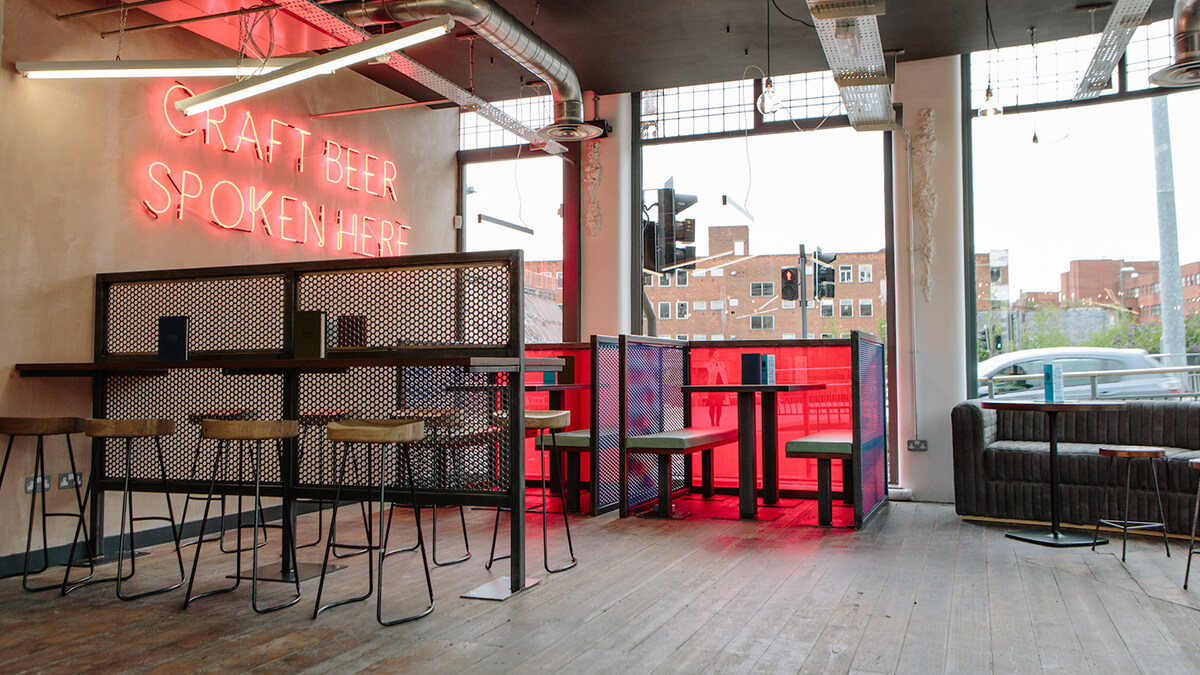
- Bars: warm, low and intimate, lighting the back bar, counter and walls, not guests’ eyes
- Spas: calm, soft and glare-free, with nothing bright overhead during treatments
- Lobbies and arrival: bright by day, warmer and lower after dark for late arrivals
- Emergency and safety lighting requirements met throughout
Principles for practice
Core lighting strategies
Four principles that bring biology into hotel lighting without sacrificing visual elegance.
01 Dynamic spectral shifts. By day, bright, broad-spectrum light. In the evening, an automatic transition to warm amber tones, down to 1800K or lower.
02 Layered, low-level evening light. Overhead downlights off after sunset, with low-level wall and step lights and light reflected from surfaces.
03 Flicker-free drivers. Zero-flicker drivers specified for visual comfort throughout the hotel.
04 One lit environment. Daylight, electric light and digital screens designed together, because the body registers them as one.
“Less light. Better quality. Better design.” Willie Duggan
Grand Hotel, Tralee
Why it matters
Better rest, better stays
Beautiful lighting creates atmosphere. Thoughtfully designed lighting can also support how guests feel, rest and experience a hotel.
Guest wellbeing
Light at the right time supports alertness in the morning and the release of melatonin at night.
Better experiences
Rooms, restaurants and spas that feel right at every hour, from breakfast to the last drink of the night.
Hotel differentiation
Lighting guests can feel, and a story the hotel can tell.
Planned from the start
From first sketch to final commissioning, light and health are part of the brief.
Selected work
Hotels, restaurants and bars
From the Ice House Hotel in Ballina and Carton House Estate to The Marker Hotel in Dublin and ómós at Milbrook in Abbeyleix.
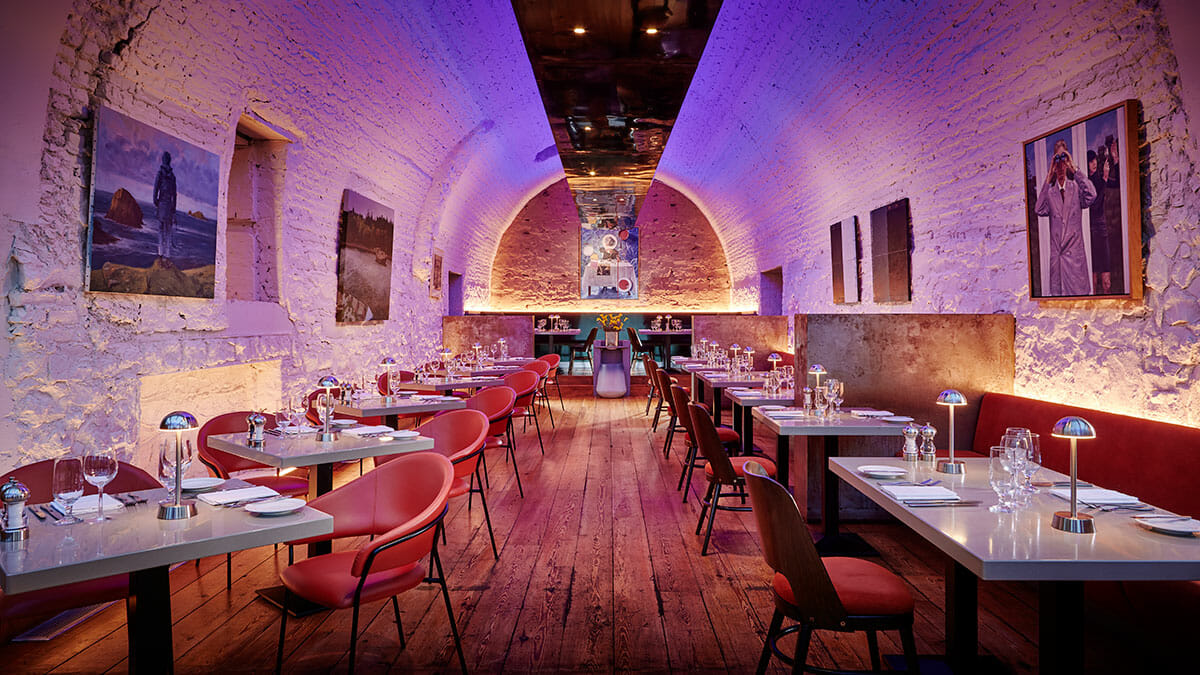
Ice House Hotel
Hotel · Mayo · 2022
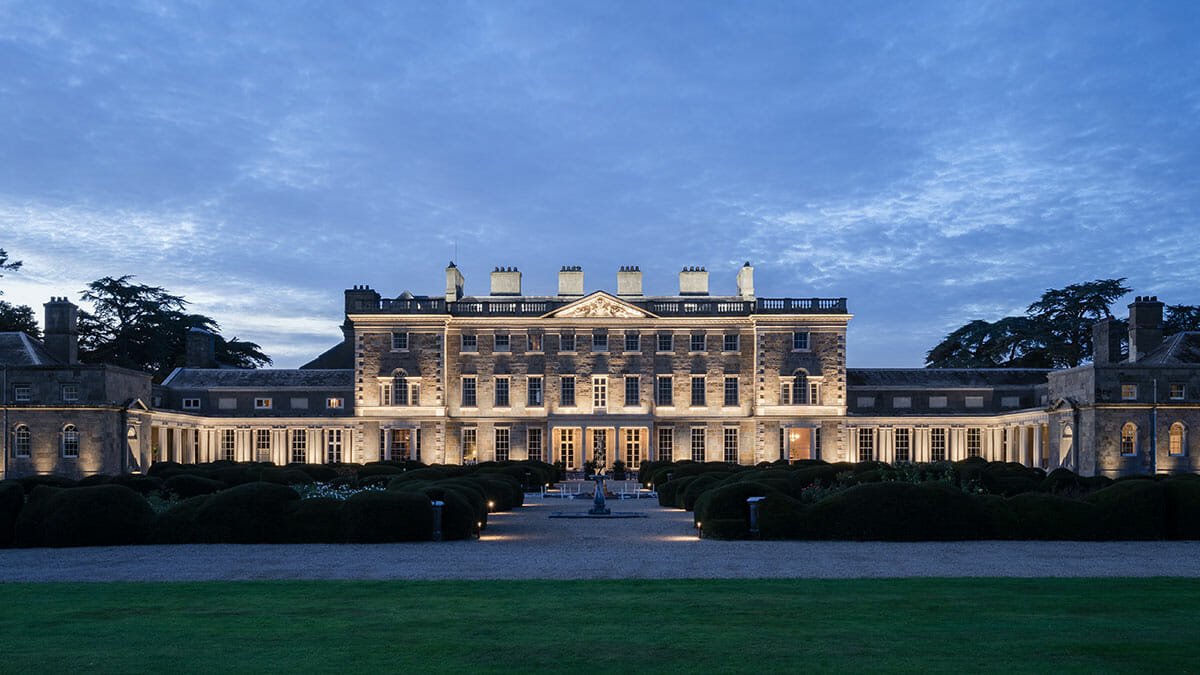
Carton House
Hotel · Maynooth, Co. Kildare · 2021
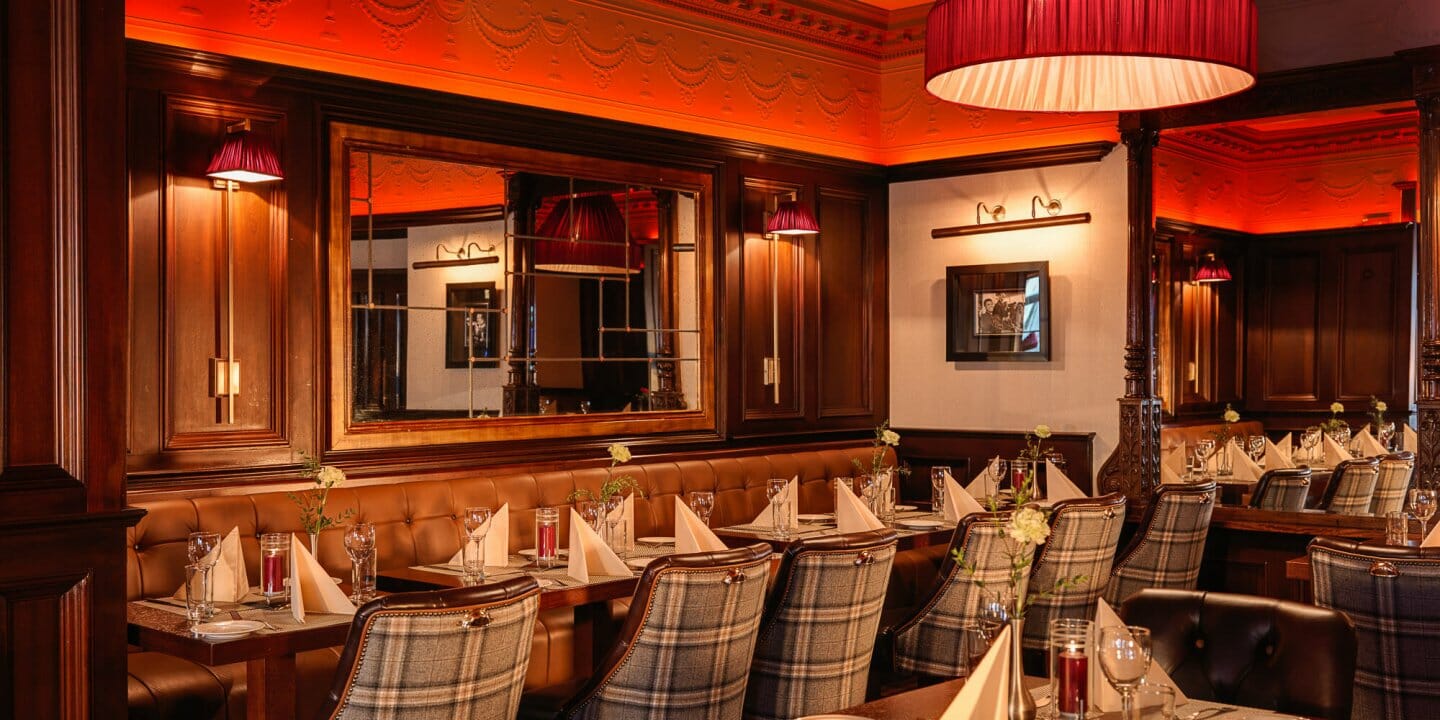
Grand Hotel
Hotel · Tralee · 2017
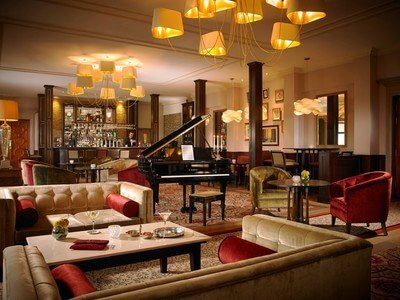
Knockranny Hotel
Hotel · Mayo · 2017
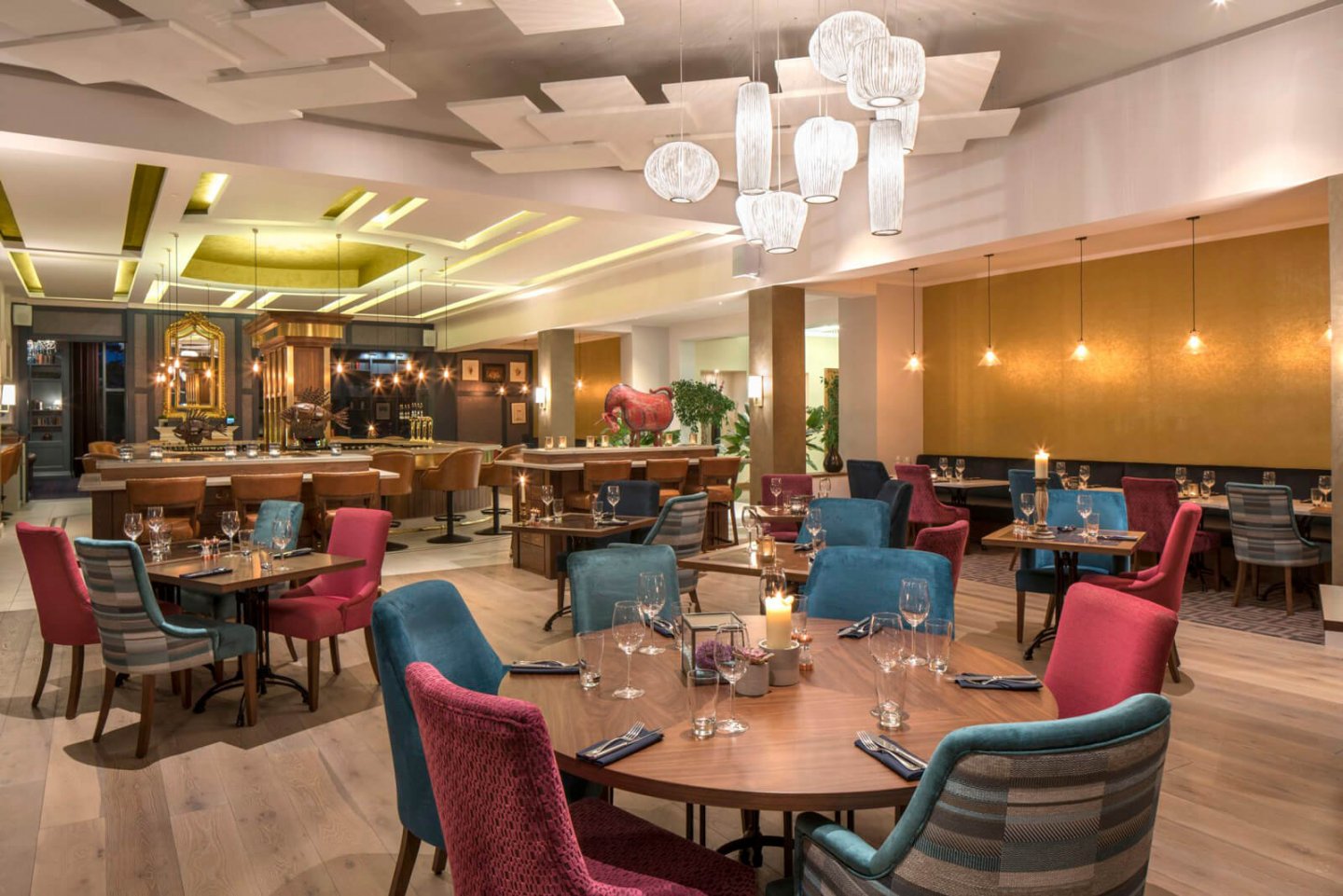
Garryvoe Hotel
Hotel · Garryvoe, Co. Cork · 2016
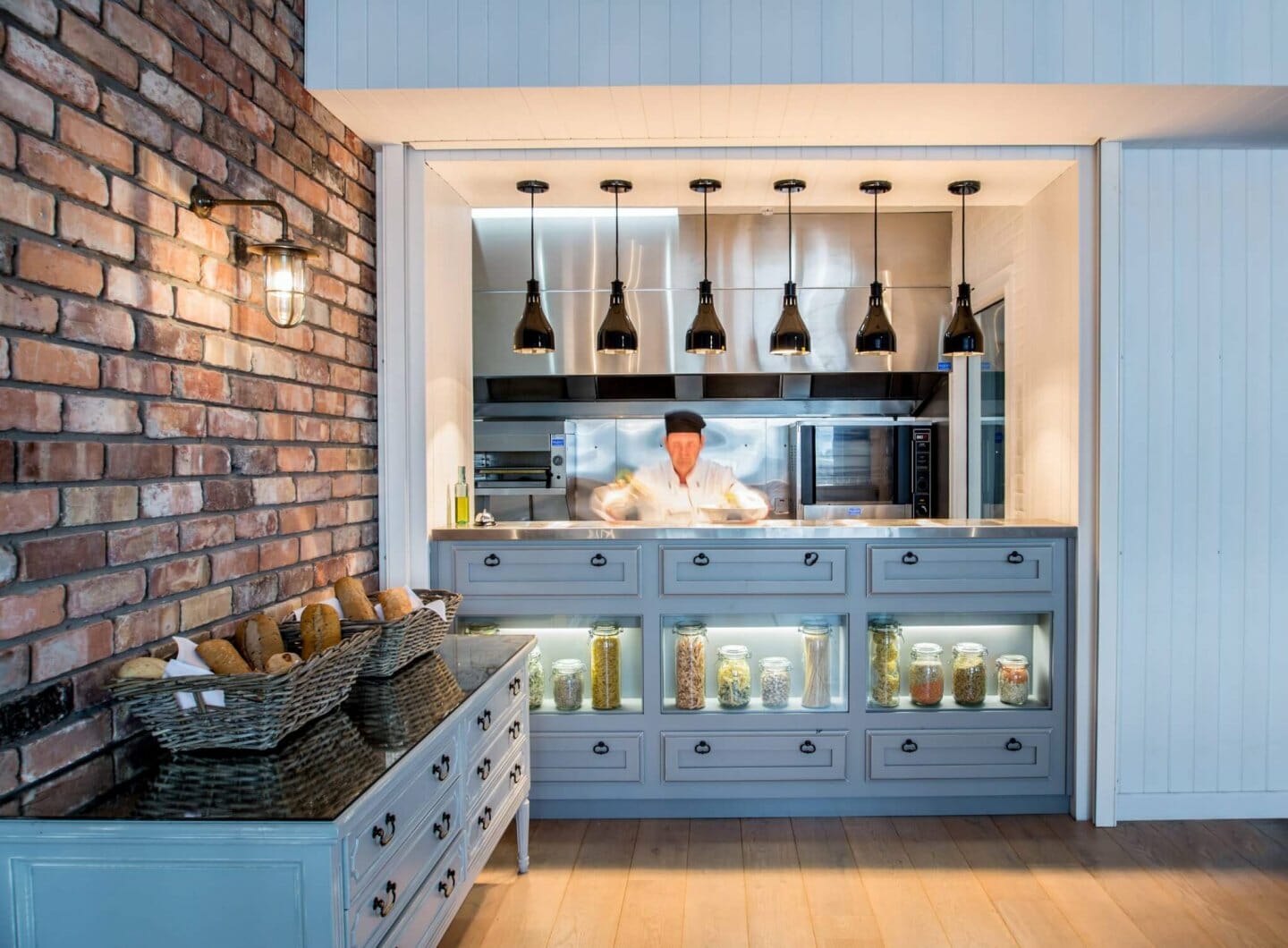
Ivanhoe Inn and Hotel
Hotel · Belfast · 2016
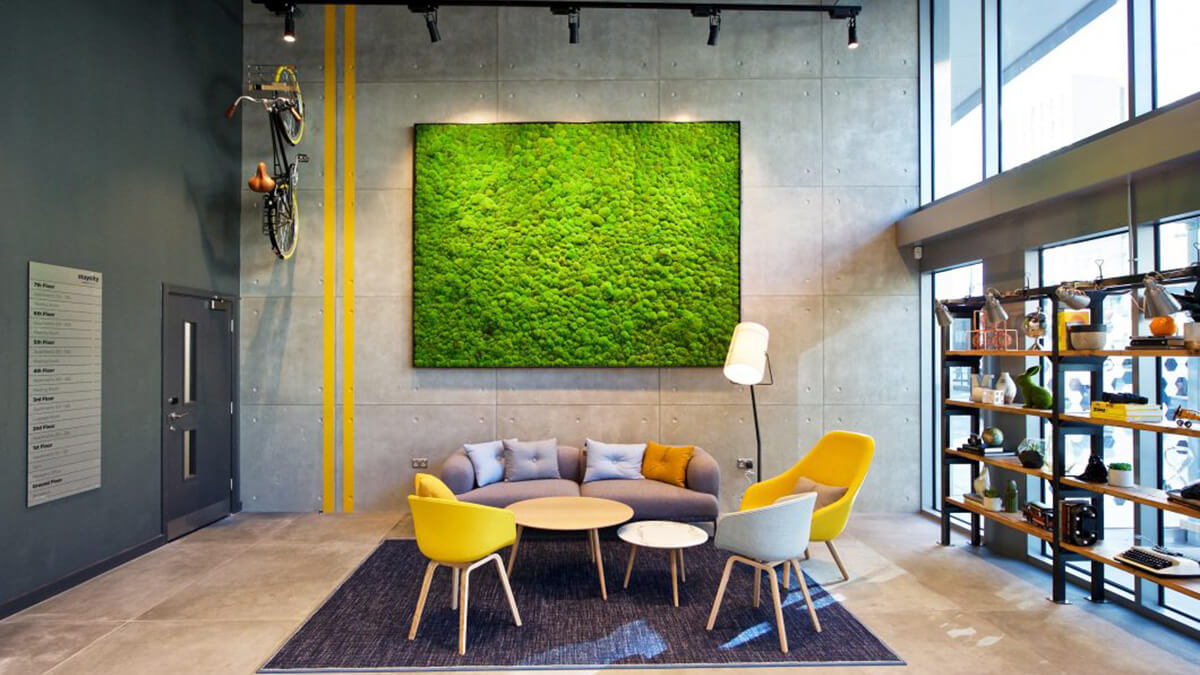
StayCity Apartments
Hotel · Heathrow, Birmingham, Liverpool · 2016
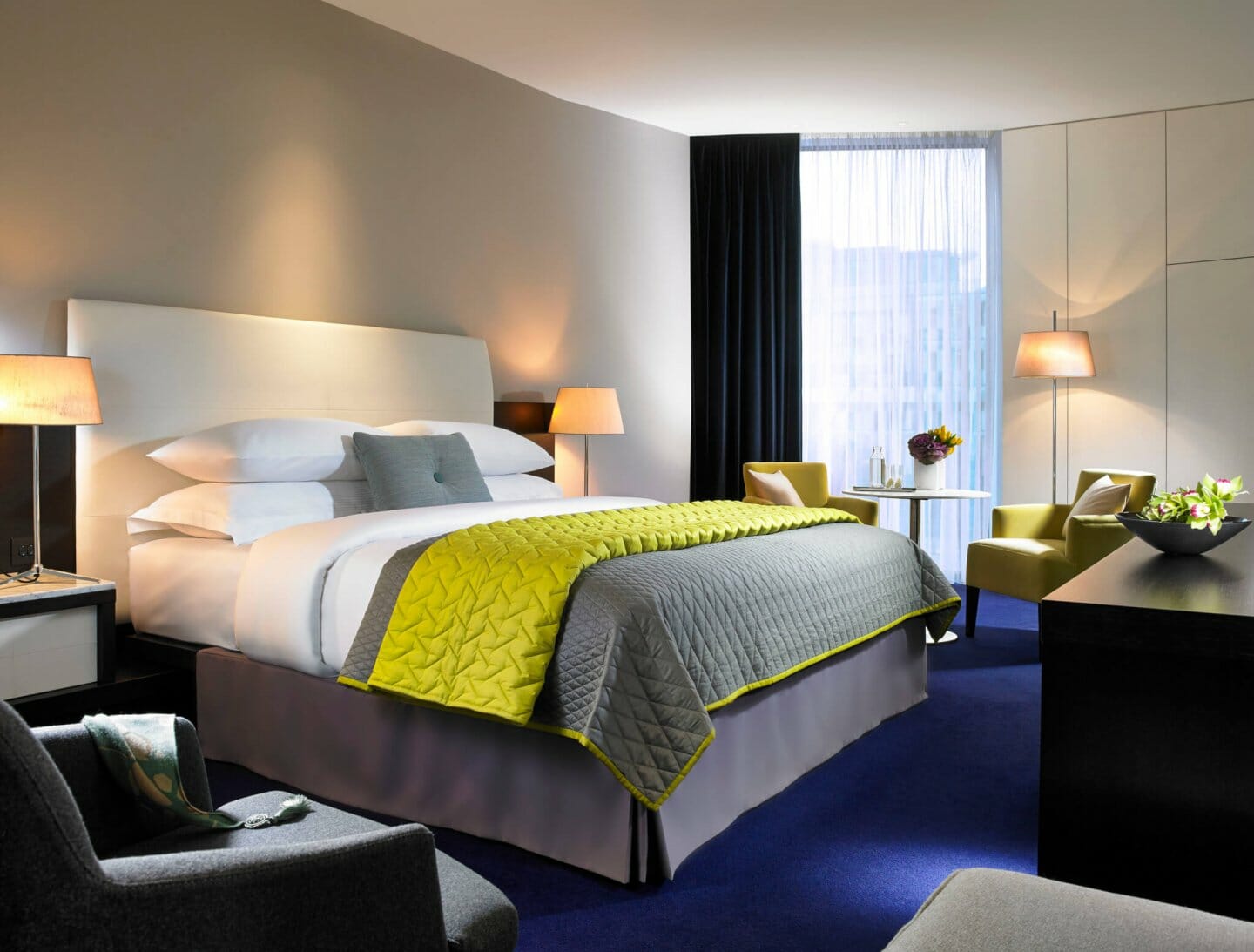
The Marker Hotel
Hotel · Dublin · 2015
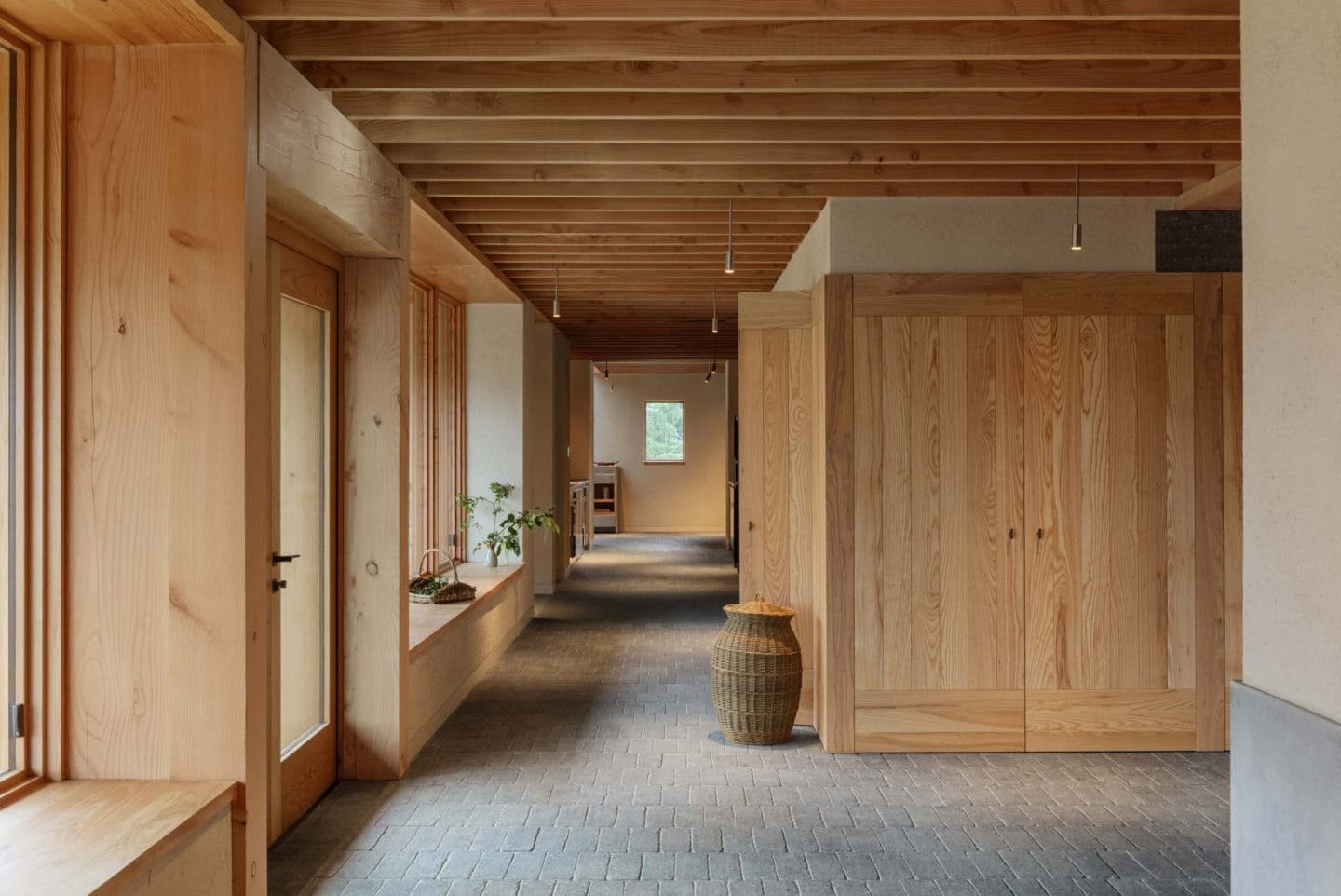
ómós at Milbrook
Restaurant · Abbeyleix · 2026
What does a hospitality lighting designer do?
We design the lighting for hotels, restaurants and bars, including bedrooms, lobbies, dining rooms, bars and spas, so each space looks beautiful and feels right at every hour of the day. It works best when lighting is planned from the very start of a project.
How does lighting affect hotel guests?
Light entering the eyes sets the body’s master clock. Bright morning light raises alertness, while warm, low light and darkness in the evening allow melatonin to be released for sleep. When we light a hotel, we shape how guests feel, rest and wake, as well as how the spaces look.
What is the best lighting for a hotel bedroom?
Bright for getting ready in the morning, warm and low in the evening, and completely dark at night. Blackout, table lamps placed below eye level, simple control from the bed, no glowing standby lights and a floor-level step light for night-time trips all help.
How should hotel restaurants and bars be lit?
A restaurant that serves breakfast, lunch and dinner should change with them: bright and daylit in the morning, low and warm on the tables and walls in the evening. In bars, light the back bar, the counter and the walls, not guests’ eyes, and keep it warm, low-level and dimmable late into the night.
What hospitality projects have you worked on?
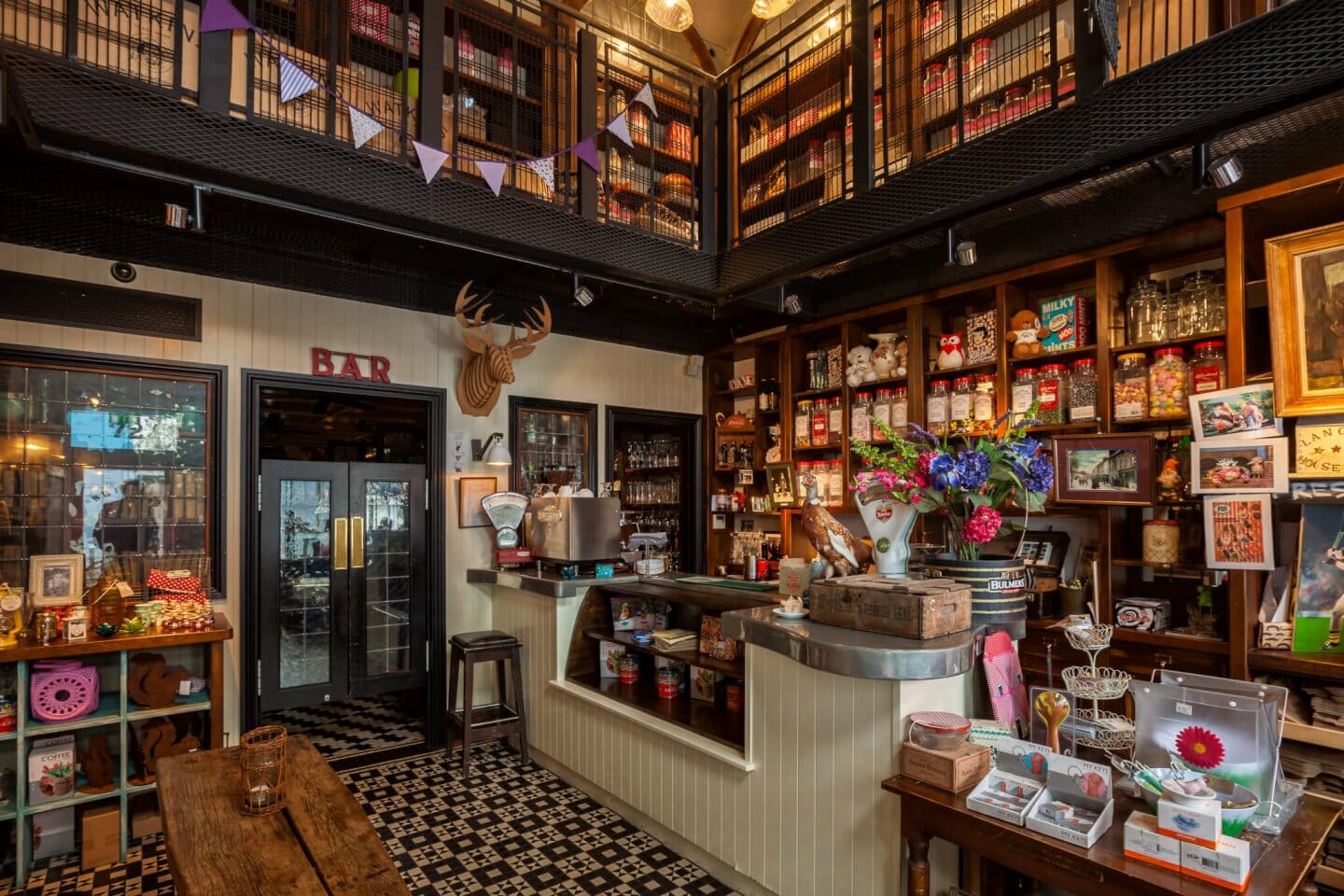
Hotels, restaurants and bars across Ireland and the UK, including the Ice House Hotel, Carton House Estate, The Marker Hotel, the Grand Hotel in Tralee, Knockranny Hotel, Garryvoe Hotel, Ivanhoe Inn and Hotel, Staycity Apartments, ómós at Milbrook, Rachel’s, BrewDog and Bridie’s.